

Territory Can Wait: Why the Person Who Met Them Should Send the First Message
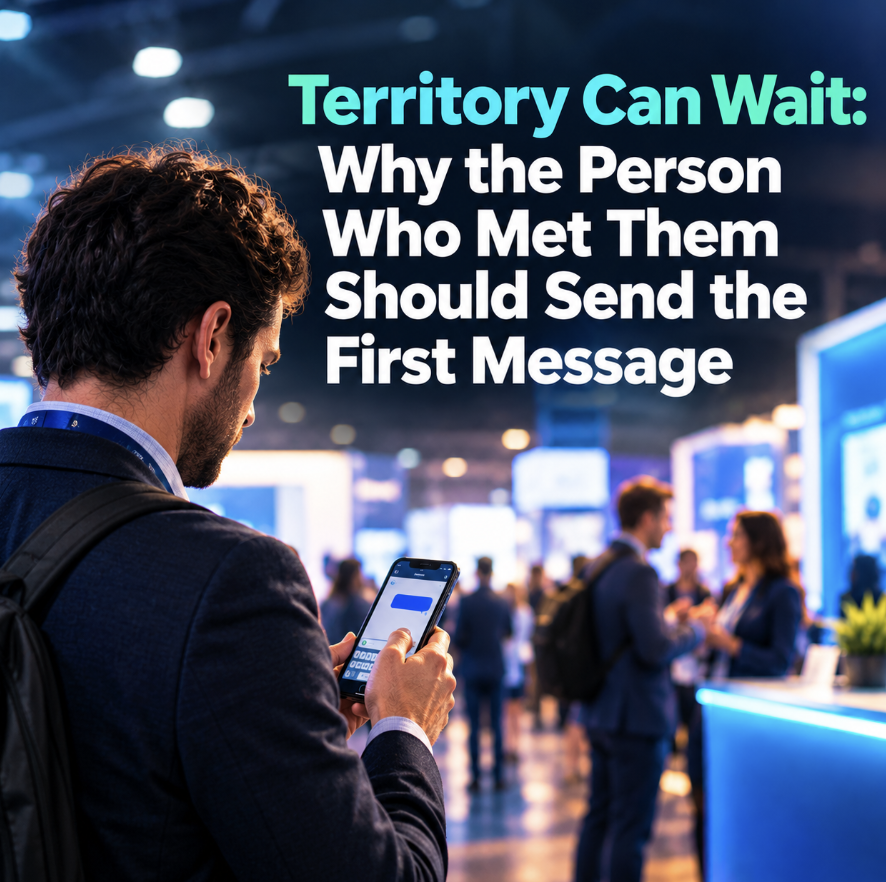
After a trade show, most leads get routed by territory to a rep who was never on the floor, and the first message the prospect receives comes from a stranger. This piece argues that the person who built the relationship should send the first follow-up, within 24 to 48 hours, and then introduce the territory owner. It covers why context and speed favor the booth rep, why routing rules slow follow-up down, how to handle the burnout objection, and a six-step setup for making the handoff work.
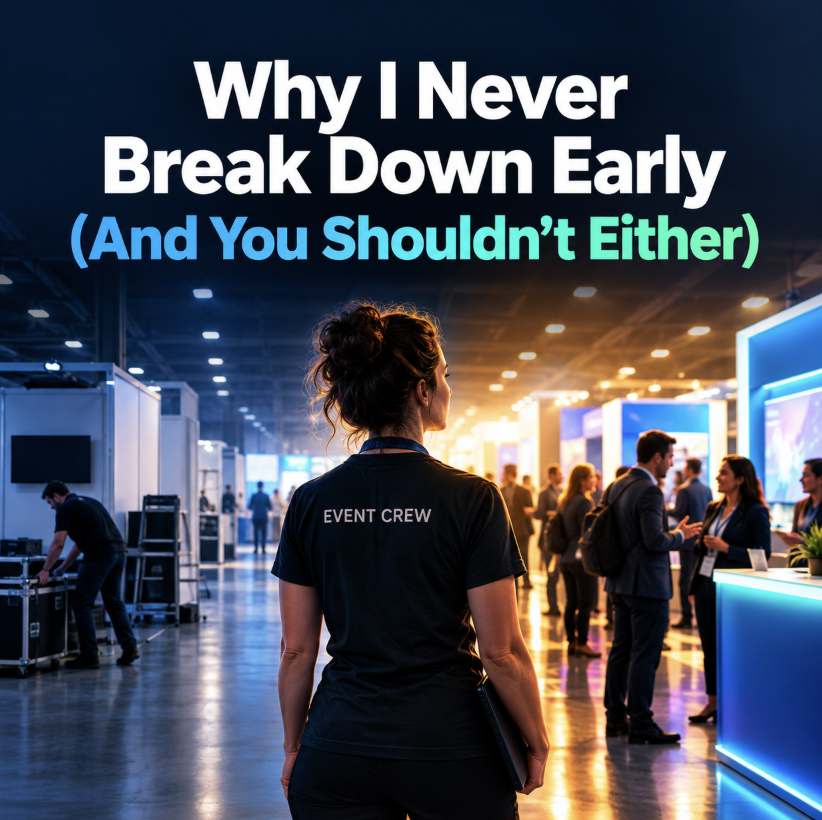
Most exhibitors start breaking down an hour before the floor closes, chasing the same rush to the loading dock and the airport. This piece makes the case for doing the opposite: staying put until the lights come down. It breaks down why the attendees still walking late in the day are disproportionately qualified, why the economics already favor staying, and why early teardown quietly costs exhibitors more than it saves. It closes with a practical checklist for staying present, not just physically there, through the last hour.
The One-Pager Problem
Eighty percent of trade show leads never hear from the exhibitor again. Most of the twenty percent that do get a generic PDF that performs almost as badly. Here's what the data says actually earns a reply.
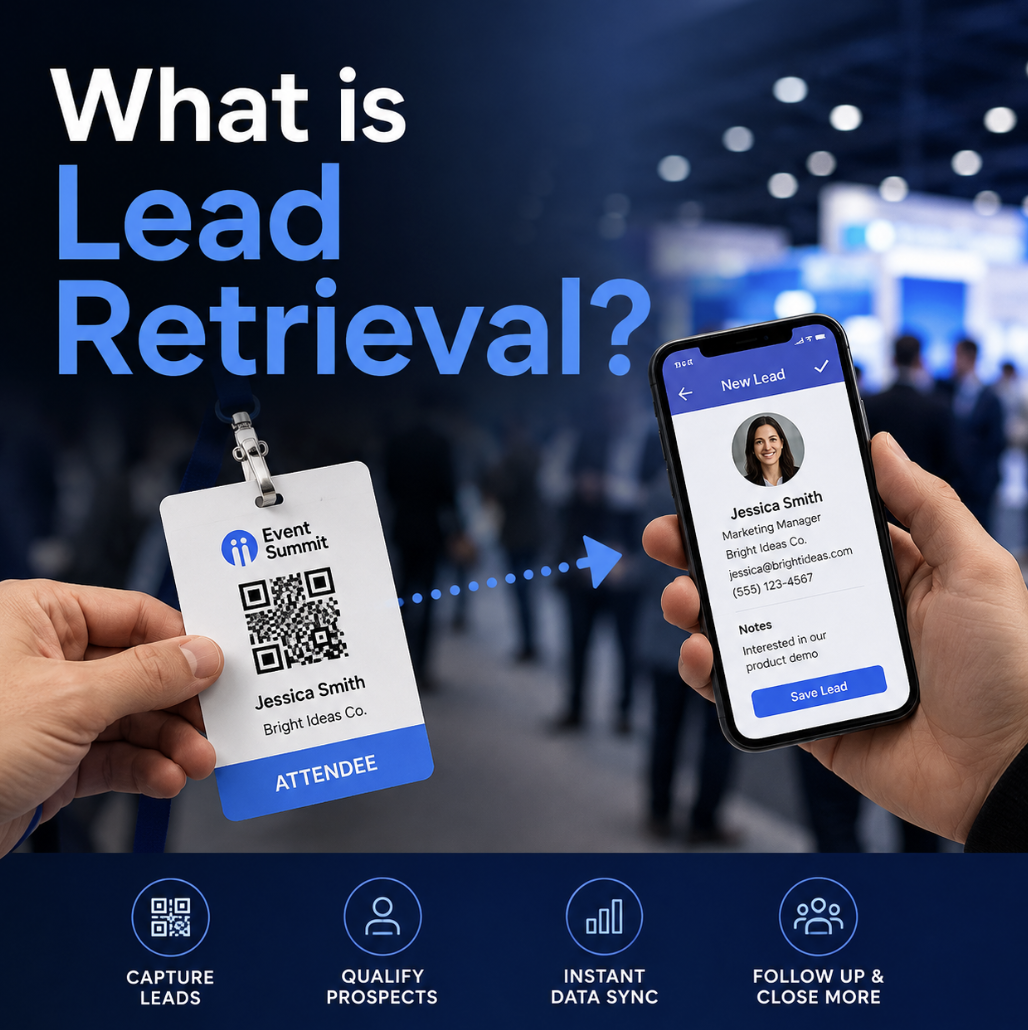
What is Lead Retrieval?
Lead retrieval is the process of capturing an attendee's contact information at a trade show, usually by scanning their badge. This guide covers the definition, how it works, lead retrieval vs. lead qualification, and what to look for in 2026.
The Real ROI of a Trade Show Badge Scanner
Ask ten exhibitors what their badge scanner's ROI was last year and you'll get ten confident answers. Ask them what number they measured that against, and most will pause. The scanner cost a few hundred dollars, or a few thousand for the year, and it clearly did more than that in return. Case closed. Except that comparison was never the real question.
5 Things to Fix Before Your Booth Opens this Season
Event season has a way of sneaking up. It feels far off until it isn't, and then suddenly the booth is booked, the flights are booked, and somebody's asking what the actual plan is for working the floor. Most of what determines whether a show pays off gets decided in the weeks before it opens, not during it. Here are the five things worth fixing now, while there's still time to fix them, and why each one matters more than it looks like it should.
How to Choose a Trade Show Badge Scanner
Picture the person three tabs deep into a vendor comparison spreadsheet, two weeks before a show, trying to pick a badge scanner. Column A is Salesforce sync. Column B is HubSpot sync. Column C is API access. By the time they get to a decision, they've compared six tools on the same seven integration checkboxes and still have no idea which one will actually help their team close more business out of the next event.
The Event Lead Graveyard
Two weeks after the show, someone finally exports the badge scan data. It sits as an attachment in an email titled "Trade Show Leads - Please Review." Somebody opens it once, skims the first twenty rows, and closes it. Nobody deletes it. Nobody works it either. It just sits there, in a folder, in a CRM view nobody filters to, quietly stops mattering.
Send Me Some Info
You know the moment. Someone stops at your booth, asks a question or two, nods along while your rep talks, and then, right as the conversation is winding down, says it. "This looks interesting. Just send me some info." They smile, take a card or a scan, and keep walking.
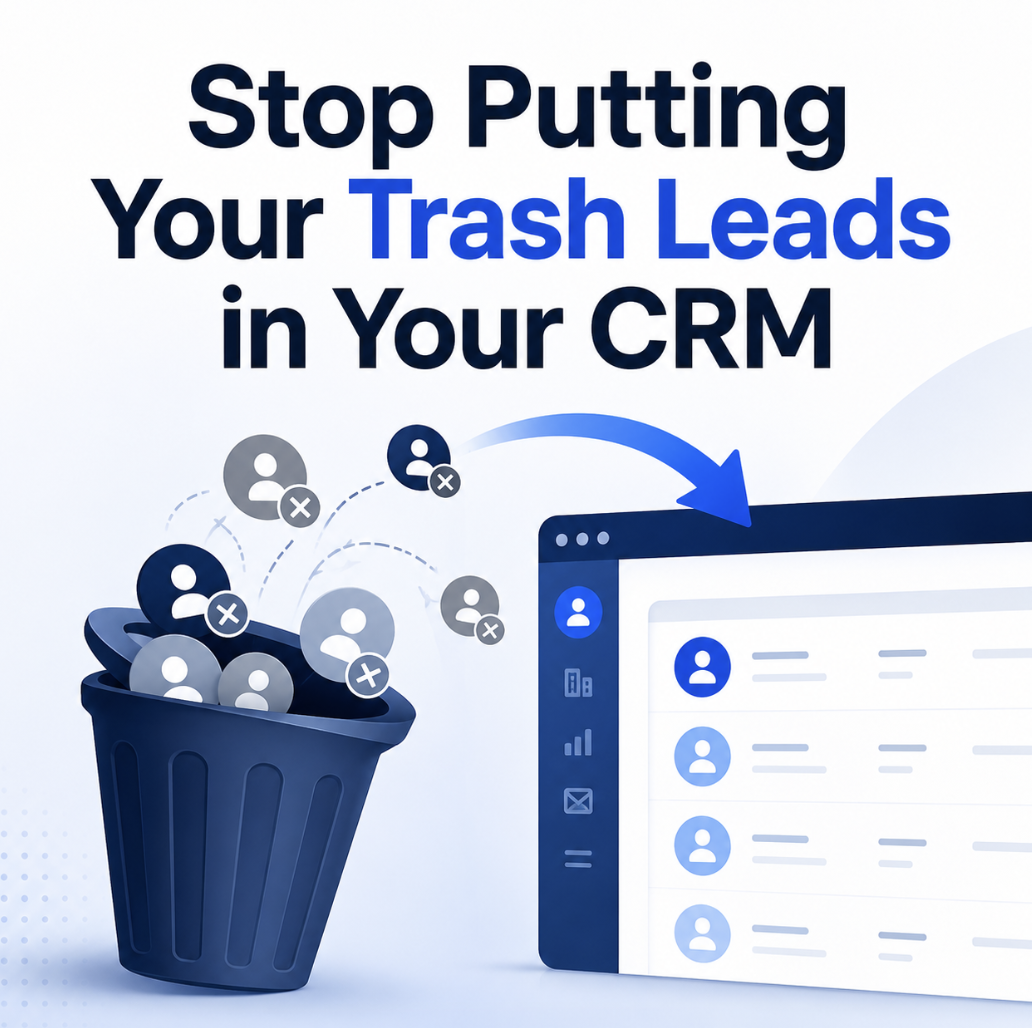
Stop Putting your Trash Leads in Your CRM
I've heard this from marketing ops leads more times than I can count. "Why doesn't the scanner just push everything to the CRM?" Or the version that stings a little more, from a sales director after a bad quarter: "Half our pipeline from that show was never going to close. We just didn't know which half."
Engaging Personalities: Episode 86
A badge scan is not the same thing as a qualified lead.
It feels great to leave a show with 150 names in a CSV, but how many are actually worth a sales follow-up?
The real value is the conversation context: role, intent, timeline, authority, and level of interest.
If that gets lost, sales is left guessing. The goal should not be more badges. It should be knowing who matters and what to say next.
Watch: https://youtu.be/Jab2MjufBZs
With featured guest, Jeffrey Coppola, a sales leader and the Founder of EventReps.
You can also listen to our podcast through Apple Podcast, Amazon Music, Player Music, and other various platforms.
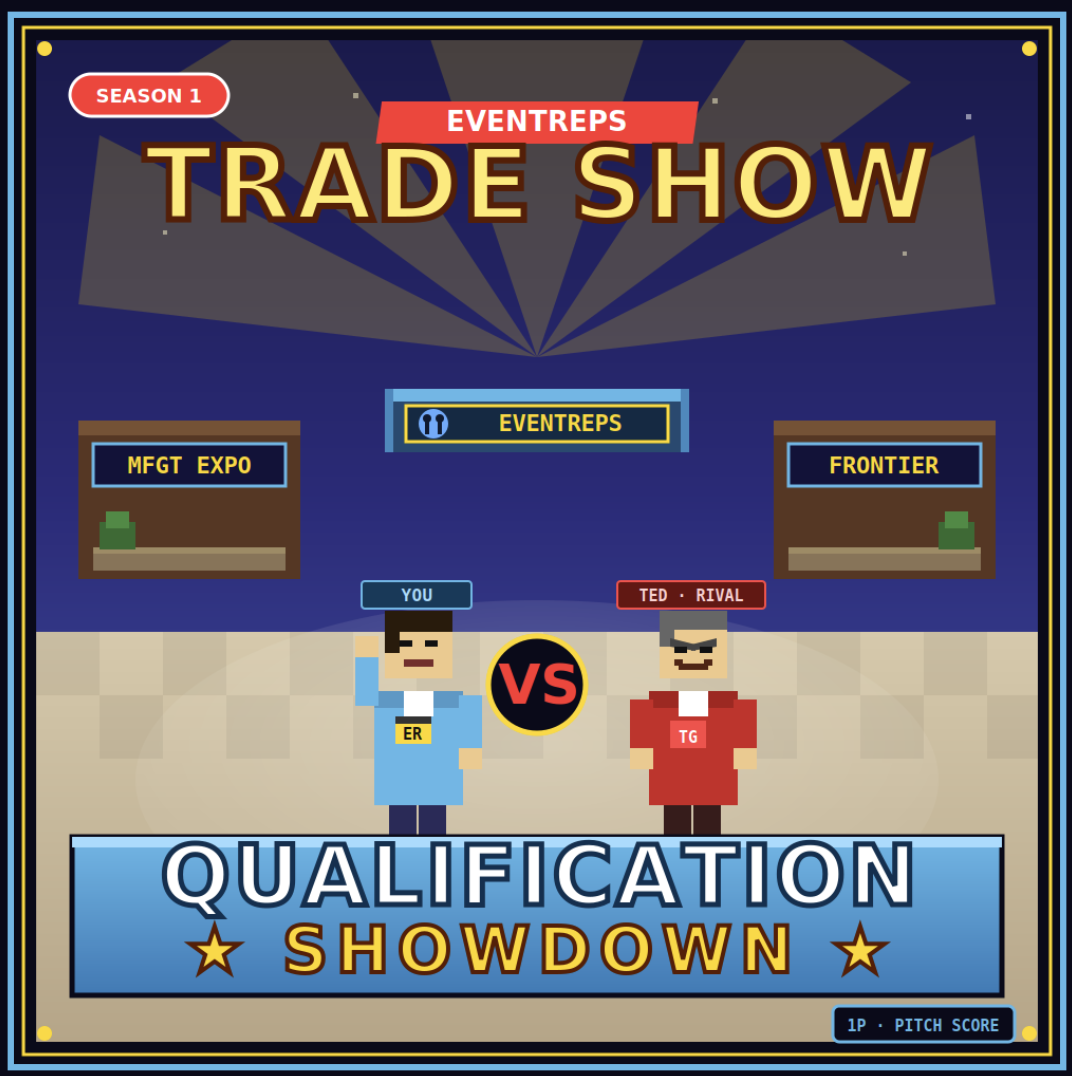
Are you ready for the qualification showdown!?
Step onto the floor! You're an EventReps rep working the floor of a packed trade show. Your mission: find the right prospects, run them through the PITCH framework one conversation at a time, and qualify 5 quality leads before the 5-minute clock hits zero. Ask the right questions and they'll lean in. Get pushy or sloppy and they'll walk.
Oh, and watch your back: Ted from TradeShow Guyz is working the same floor, and he's racing you to 5. Qualify your leads, beat Ted back to the booth, and prove you've got what it takes on the show floor!
The Trade Show Floor is Not a Sales Call
I've heard this from event professionals more times than I can count. "Our best rep had a terrible show." Or the version that stings a little more: "Honestly, our worst salesperson crushed it on the floor and we have no idea why."
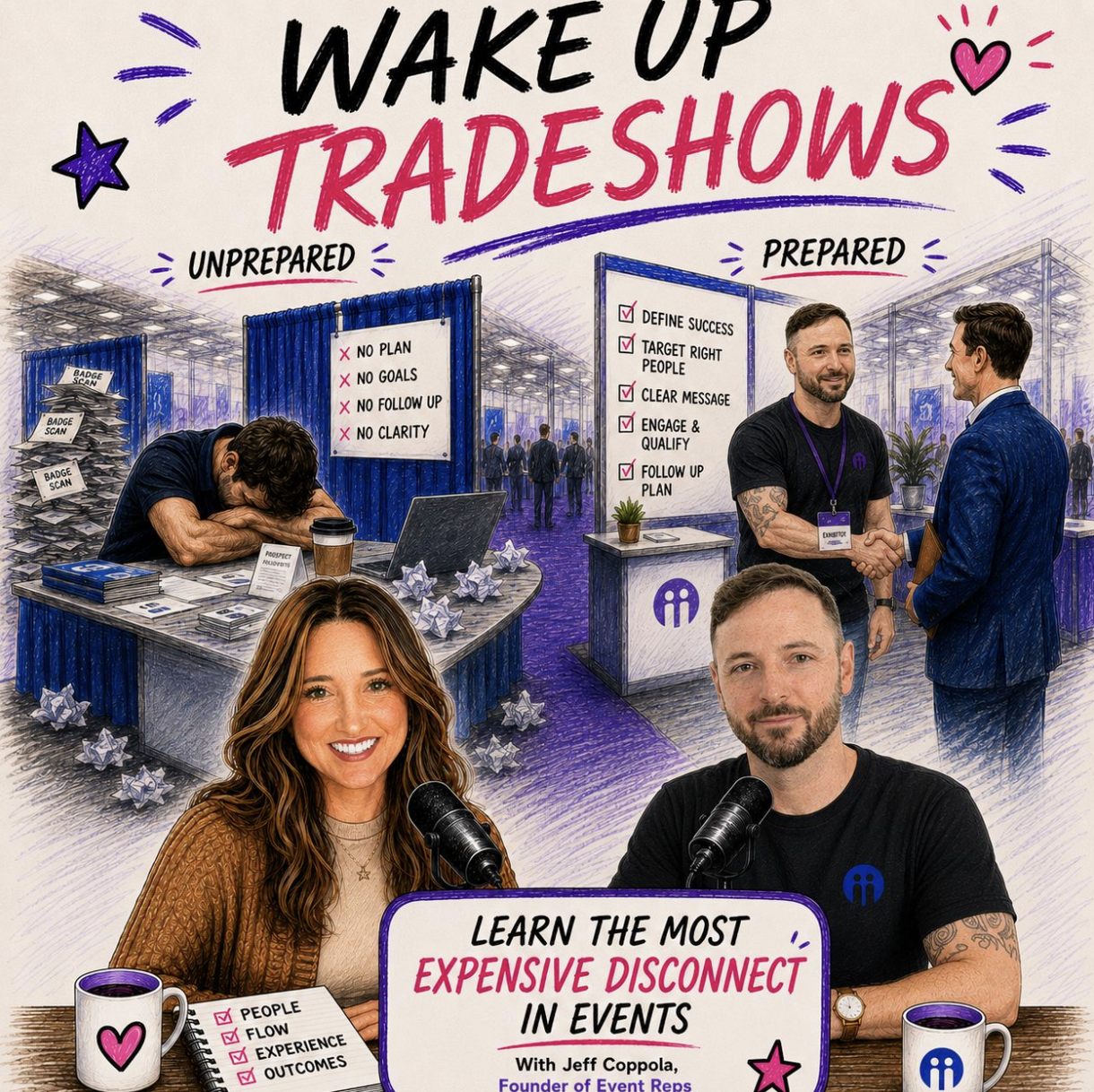
Wake Up Trade Shows: Episode 8
In this episode of Wake Up Trade Shows, Amy Mourey sits down with event sales strategist and EventReps founder Jeff Coppola to unpack one of the biggest - and most overlooked - failures in event marketing: what happens after someone walks away from your booth.
Together, they dive into:
Why booth staffing is often the weakest link in event ROI
The difference between a trained event rep and someone just "working the booth"
The one question every booth rep should be asking prospects
Why most companies lose momentum within days of an event
The truth behind the "we still hit our numbers" mindset
How a structured 72-hour follow-up strategy can dramatically increase conversions
The systems top-performing teams use to turn conversations into pipeline
If you've ever wondered why your trade show leads go cold, why event ROI feels impossible to prove, or how sales and marketing can work together more effectively, this episode is for you.
Stop treating your booth like a billboard. Start treating it like a pipeline engine.
The Event Floor Checklist
The floor is the hardest part of any show. Here are two checklists built for the people actually working it - one for booth reps, one for sales leaders who are doing the same job while also managing everyone around them. Tactical, specific, and built to use on the day.
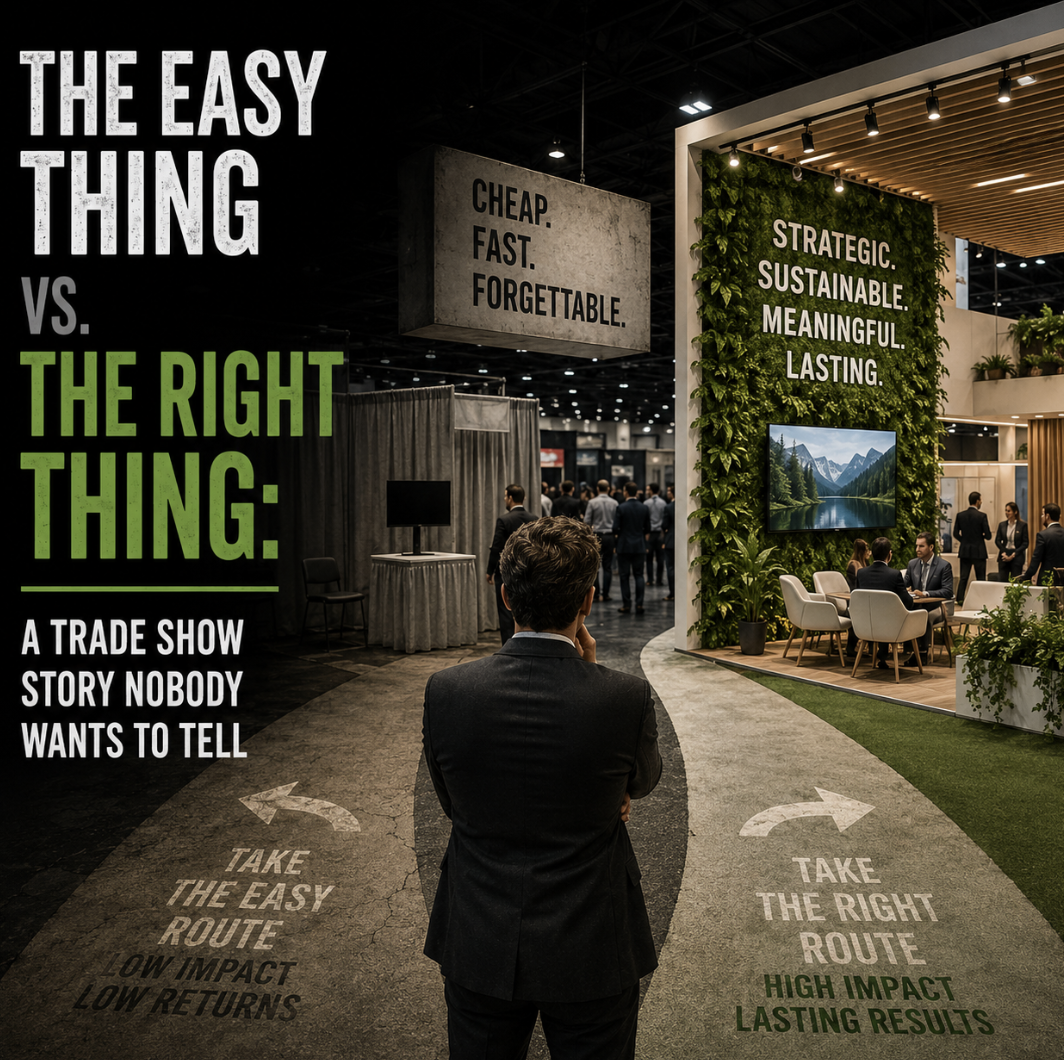
The Easy Thing vs. the Right Thing
I've walked a lot of trade show floors. And I'll tell you something I've never seen posted on LinkedIn, talked about in a webinar, or included in a post-event recap: most of what happens at a booth is the easy thing. Not the right thing. The easy thing.
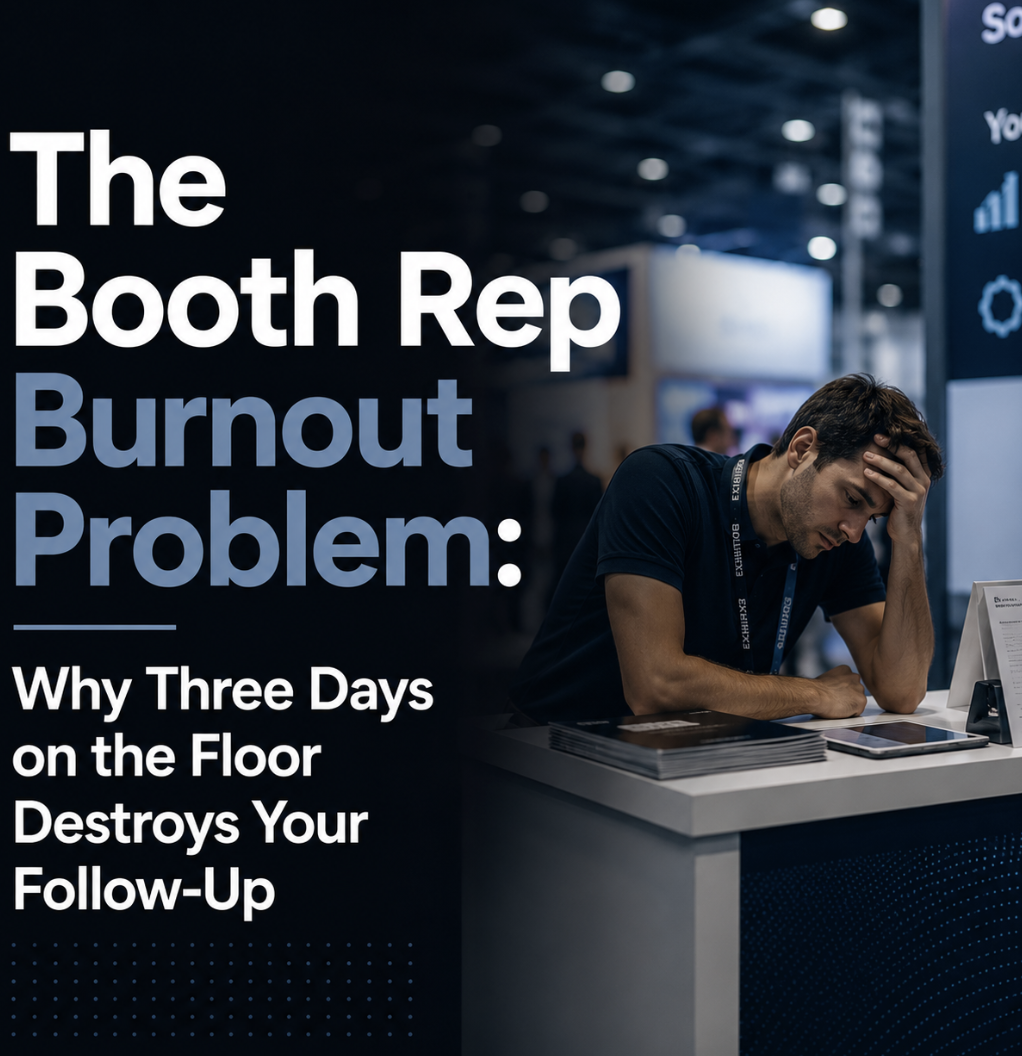
The Booth Rep Burnout Problem
Nobody talks about what three days on a trade show floor actually does to a person. The industry produces endless content about booth design, lead capture tools, and follow-up sequences - and almost nothing about the human being standing in the booth for eight hours a day who is supposed to execute all of it.
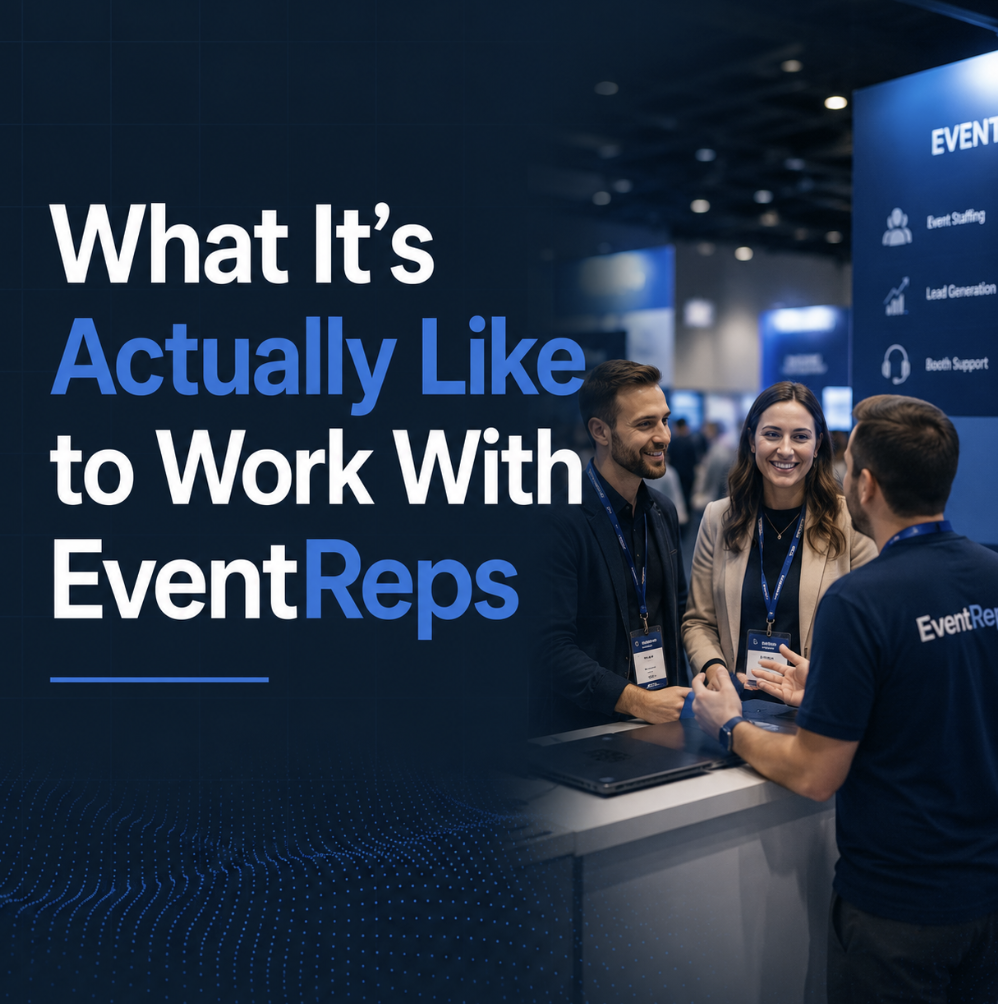
What It’s Actually Like to Work With EventReps
Most companies find EventReps because something broke. The show didn't produce what it should have. The leads went nowhere. The team came back exhausted and the pipeline was thin. They've read enough to know the system is the problem - and they're looking for someone to build a better one.
Your Badge Scanner is Lying to You
You rented the scanner. You scanned the badges. You came home with two hundred names in a spreadsheet. And then — if you're being honest — most of those names went nowhere. Not because the show was bad. Not because your product wasn't right. Because a name and an email address is not a lead.
Challenges Businesses Face When Measuring Event Success
Every show ends the same way. The booth comes down, the team heads home, and someone — usually in marketing, sometimes in sales, occasionally the CFO — asks how it went. And the honest answer, in most companies, is: we don't really know.